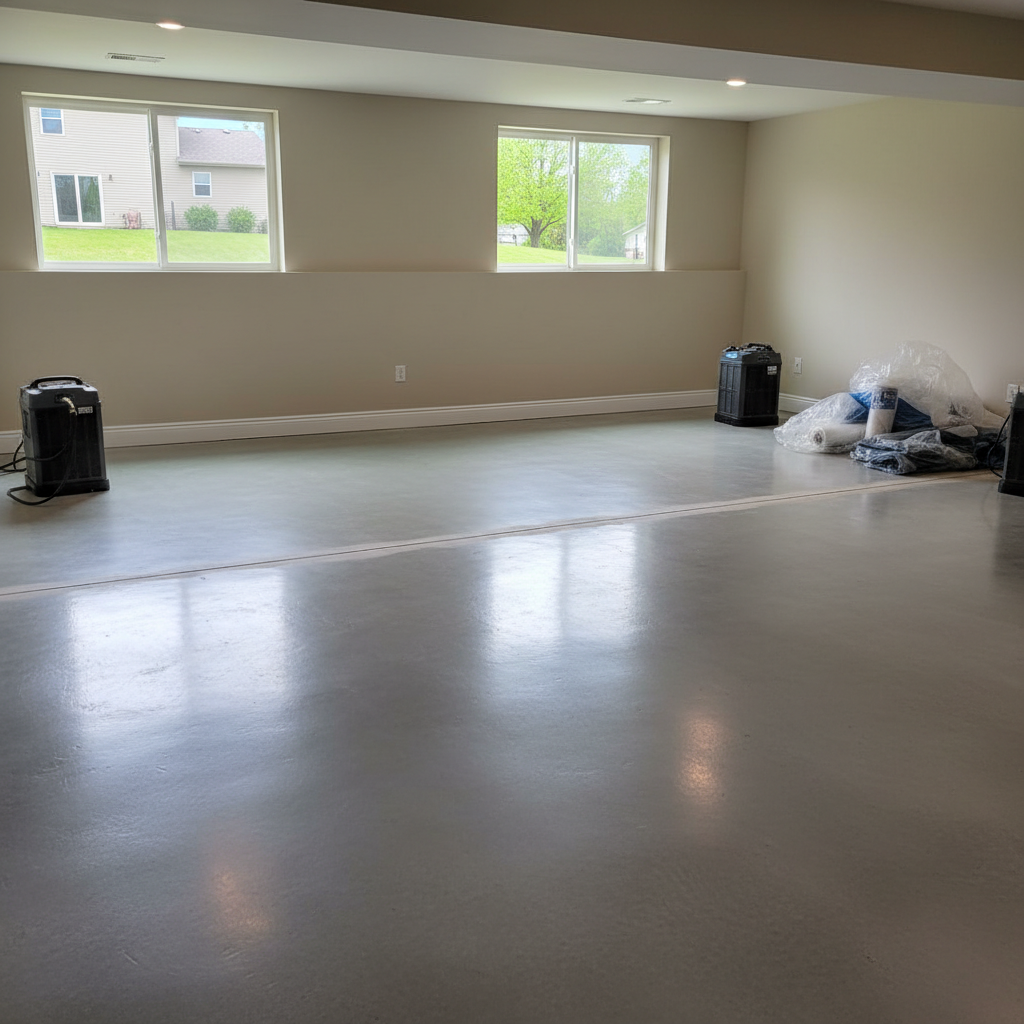
So, you've been through a flood. That's a rough experience, believe me. We at Alpha Restoration have seen our share of homes in Fitchburg — from the older places near Fish Hatchery Road to the newer builds out by Swan Creek — that have gone through it. Once the water's gone and the repairs are done, you might think you're in the clear. But that's just the start of making sure your home stays dry and healthy for the long haul. You've put in the time and money to get things right; now it's about protecting that investment.
Extending the Life of Your Flood Restoration Work
When we finish a job, whether it's drying out a basement or replacing damaged drywall and flooring, we're building for durability. But even the best work needs a little help from you to last. Think of it like maintaining your car after a major repair. You wouldn't just ignore it, would you? Same goes for your home.
First off, keep an eye on your home's humidity. Wisconsin summers can get sticky, and even in winter, our heating systems can dry things out too much (causing wood to crack) or not enough (leading to condensation). Aim for a relative humidity between 30-50%. A simple hygrometer, which you can pick up at any hardware store, will tell you exactly where you stand. If it's too high, run a dehumidifier, especially in your basement. If it's too low, a humidifier can help, but be careful not to overdo it.
Proper ventilation is also key. If you've had issues in a bathroom or kitchen, make sure exhaust fans are working and you're actually using them when you shower or cook. This pulls moisture out of the air before it can settle into materials and cause problems.
What Regular Maintenance Looks Like
This isn't rocket science, but it's easy to forget. A little routine attention can save you a lot of grief.
- Check your gutters and downspouts: I can't stress this enough, especially with our heavy spring rains and melting snow. Make sure they're clear of leaves and debris. Direct downspouts at least six feet away from your foundation. If water is pooling around your house, you're just asking for trouble.
- Inspect your foundation: Take a walk around your house a couple of times a year. Look for any new cracks, efflorescence (that white, powdery stuff), or damp spots. If you see anything new or growing, it's worth investigating.
- Test your sump pump: If you have one, pour a bucket of water into the pit to make sure it kicks on and drains properly. Do this every few months, and definitely before any big storm systems roll through. A battery backup is a smart investment around here.
- Monitor your landscaping: Make sure the ground around your foundation slopes away from the house. Over time, soil can settle, creating negative grading that directs water right where you don't want it.
- Keep an eye on plumbing: Small leaks can turn into big problems. Periodically check under sinks, around toilets, and behind appliances for any signs of moisture.
Warning Signs of New Problems
You've got to be a detective in your own home sometimes. The sooner you catch something, the easier and cheaper it is to fix.
- Musty odors: This is probably the biggest red flag. If you smell something damp or earthy, especially in your basement or a less-used room, it's a strong indicator of mold or mildew growth, which means moisture is present. Don't ignore it.
- Stains or discoloration: Water stains on walls, ceilings, or floors are obvious signs. They might be yellowish, brownish, or even show up as dark spots.
- Peeling paint or wallpaper: Moisture behind a surface can cause paint to bubble, crack, or peel, and wallpaper to lift away.
- Warping or buckling materials: Wood floors, baseboards, or drywall that start to warp, buckle, or swell are reacting to excess moisture.
- Increased allergy symptoms: If you or family members are experiencing unexplained allergy-like symptoms (sneezing, coughing, itchy eyes) when you're home, it could be a sign of hidden mold.
- Condensation on pipes or windows: While some condensation is normal, excessive amounts, especially on cold water pipes in humid areas, can indicate a ventilation or humidity problem that needs addressing.
When to Call a Professional
Look, I'm a firm believer in homeowners being proactive. But there are times when you just need to bring in the experts. Don't try to be a hero when the stakes are high.
- Persistent musty smells: If you've tried airing out the area and running a dehumidifier, and that smell just won't quit, it's time to call us. There's likely a hidden moisture source or mold growth that needs professional remediation.
- New or expanding cracks in your foundation: Small hairline cracks might be normal, but if you see cracks that are wide, growing, or allowing water to seep in, you need a foundation specialist to assess the structural integrity.
- Unexplained water sources: You've checked all the usual suspects (leaky pipes, roof issues, etc.) but you're still finding water or dampness. We've got the tools and experience to track down those elusive leaks.
- Signs of mold growth: If you see visible mold that's larger than a small patch (say, bigger than a dinner plate), or if you suspect it's widespread or in your HVAC system, don't mess with it yourself. Mold remediation requires specific safety protocols and equipment to prevent cross-contamination.
- Sump pump failure during a storm: If your sump pump isn't keeping up, or if it fails completely during heavy rain or snowmelt, you need immediate help to prevent significant damage.
Your home is a big investment, and keeping it dry after a flood restoration is crucial. A little vigilance goes a long way. If you're ever in doubt, or if you spot any of these warning signs, don't hesitate to reach out to Alpha Restoration. We're here to help Fitchburg homeowners keep their properties safe and sound.